


Is Your Home Insurance Coverage Enough? 5 Things Texas Homeowners Should Check Right Now


Look, we get it. Home insurance isn’t exactly the most exciting thing to think about on a Saturday afternoon. You’d probably rather be grilling, binge-watching your favorite show, or literally doing anything else. But here’s the thing, Texas homeowners are getting some nasty surprises lately when they file claims, only to discover their coverage isn’t quite what they thought it was.
So grab your policy (or at least know where it is), and let’s walk through five things you should check right now. Trust us, spending 10 minutes today could save you tens of thousands of dollars down the road!!
1. Replacement Cost vs. Actual Cash Value: The Difference That Could Cost You Thousands
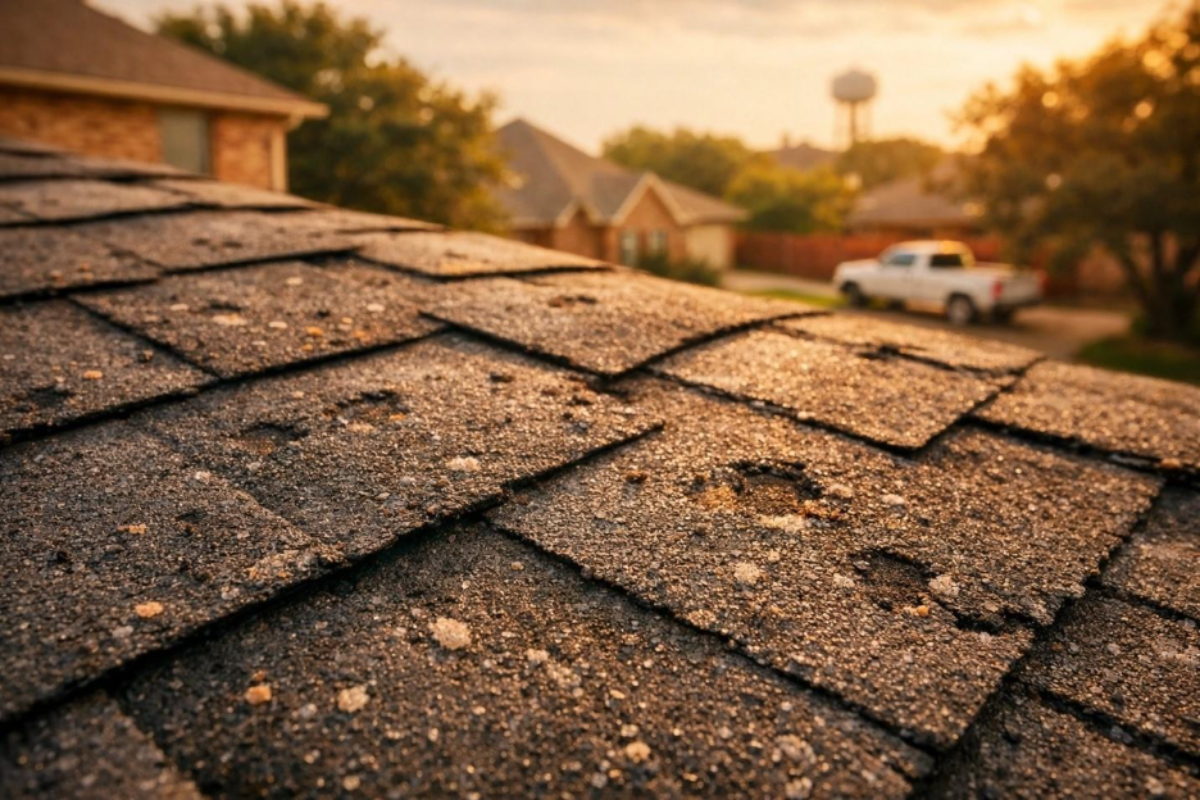
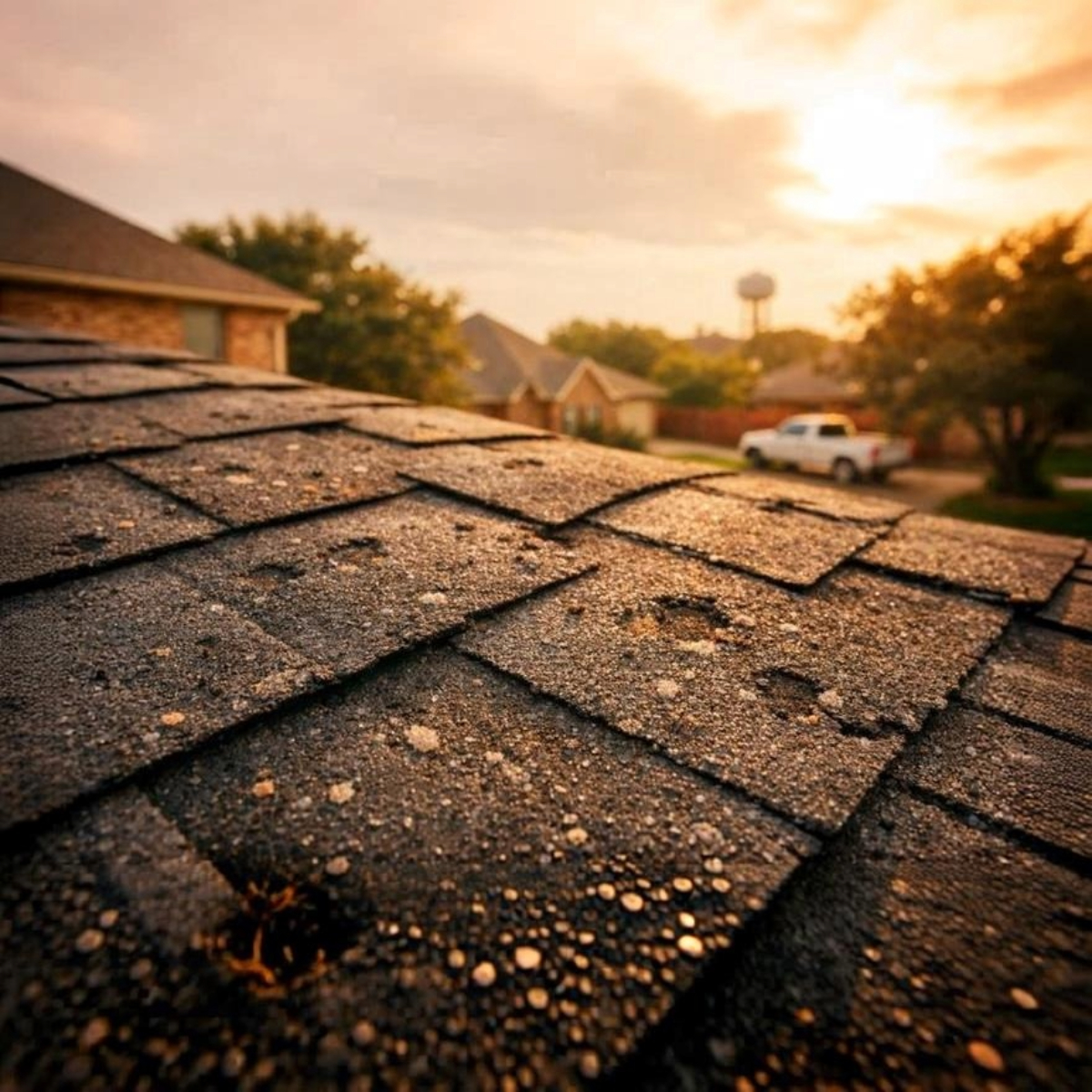
Here’s a scenario that plays out way too often: Your roof gets damaged in a hailstorm. You file a claim thinking you’re covered. Then the adjuster tells you your payout is based on “actual cash value,” not “replacement cost.” Oops!!
What’s the difference? Replacement cost coverage pays to replace or repair your home with materials of similar quality at today’s prices. Actual cash value? That’s replacement cost minus depreciation. So if your 15-year-old roof needs replacing, you might only get half of what a new roof actually costs.
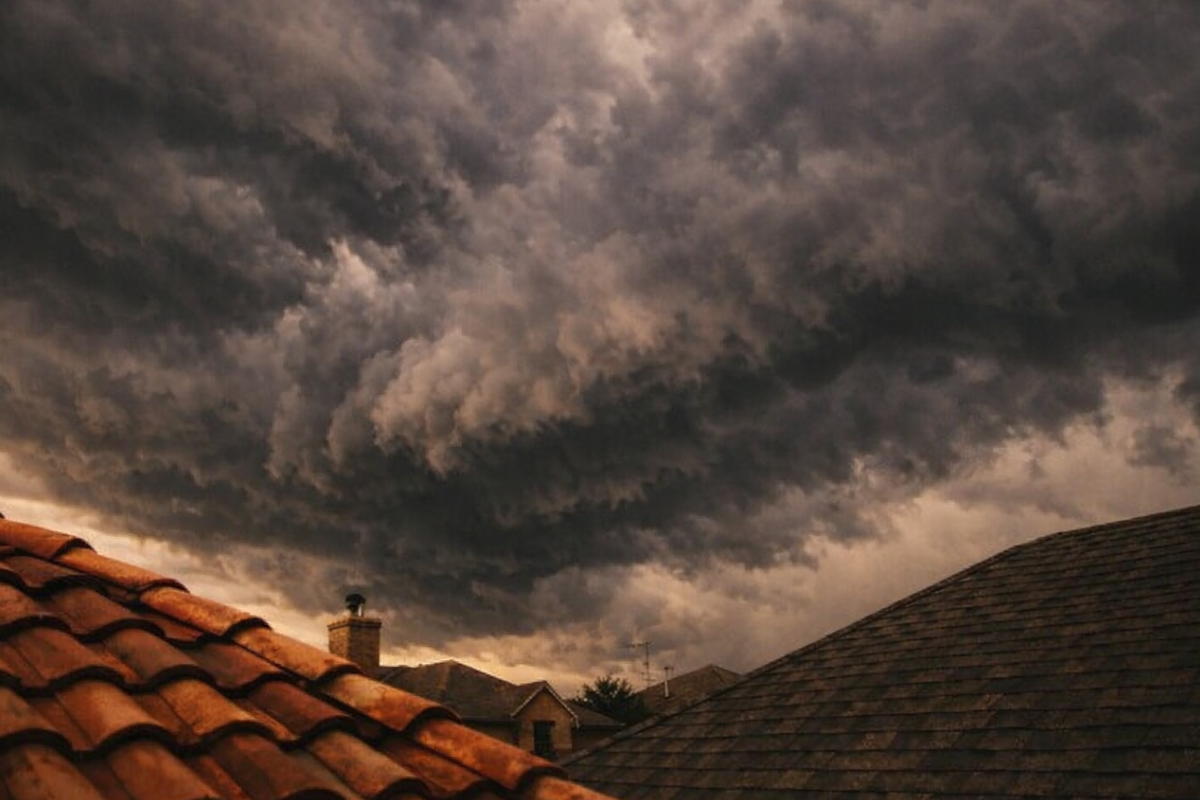
This gap has gotten even worse for Texas homeowners recently. Many major carriers now won’t offer replacement cost coverage on roofs older than 10 years, that’s the “roof cliff” everyone’s talking about. If your roof is approaching that age, you need to know where you stand before the next storm hits.
What to check: Look at your policy declarations page. Does it say “Replacement Cost” or “Actual Cash Value”? If you’re not sure, call your agent. And if your roof is getting up there in age, ask specifically about your roof coverage.
2. Your Liability Limits: Are You Protected for What You Could Actually Lose?
Most people focus on their dwelling coverage and totally overlook liability protection. But here’s something to think about: If someone gets seriously injured on your property, they could sue you for way more than you think.
The standard liability coverage on most homeowners policies is $100,000 or $300,000. Sounds like a lot, right? But medical bills, lost wages, and legal fees add up fast. If someone slips on your front steps and suffers a serious injury, $100,000 might not even scratch the surface.
Here’s the real kicker: Liability coverage is ridiculously cheap compared to what it protects. Bumping your coverage from $300,000 to $500,000 might only cost you an extra $50-75 per year. That’s like skipping two fancy coffees a month for massive peace of mind.
What to check: Look at your liability limits under “Section II – Liability Coverages” in your policy. Think about your assets, your home equity, savings, retirement accounts. Your liability coverage should reasonably protect what you’ve worked hard to build. If you’ve got significant assets, consider an umbrella policy for even more protection.
3. Roof Coverage Details: The Fine Print That Really Matters in Texas
Let’s talk more about roofs, because this is where a lot of Texas homeowners are getting caught off guard right now. We already mentioned the replacement cost vs. actual cash value issue, but there’s more you need to know.
Wind and hail deductibles are changing. In North Texas especially, the standard wind/hail deductible has jumped from 1% to 2% of your dwelling coverage. Got a home insured for $300,000? Your deductible just went from $3,000 to $6,000. That’s a big difference when a storm rolls through!!
And here’s something many people don’t realize: If you live in certain coastal counties, you might need separate windstorm coverage through the Texas Windstorm Insurance Association (TWIA). Your regular homeowners policy might explicitly exclude windstorm damage, leaving you scrambling after a hurricane.
What to check:
· What’s your wind/hail deductible percentage?
· How old is your roof, and does your policy still cover it at replacement cost?
· If you’re coastal, do you have separate windstorm coverage?
· Are there any roof age restrictions or exclusions buried in your policy?
4. Water Backup and Sewer Coverage: The Messy Stuff Nobody Wants to Think About
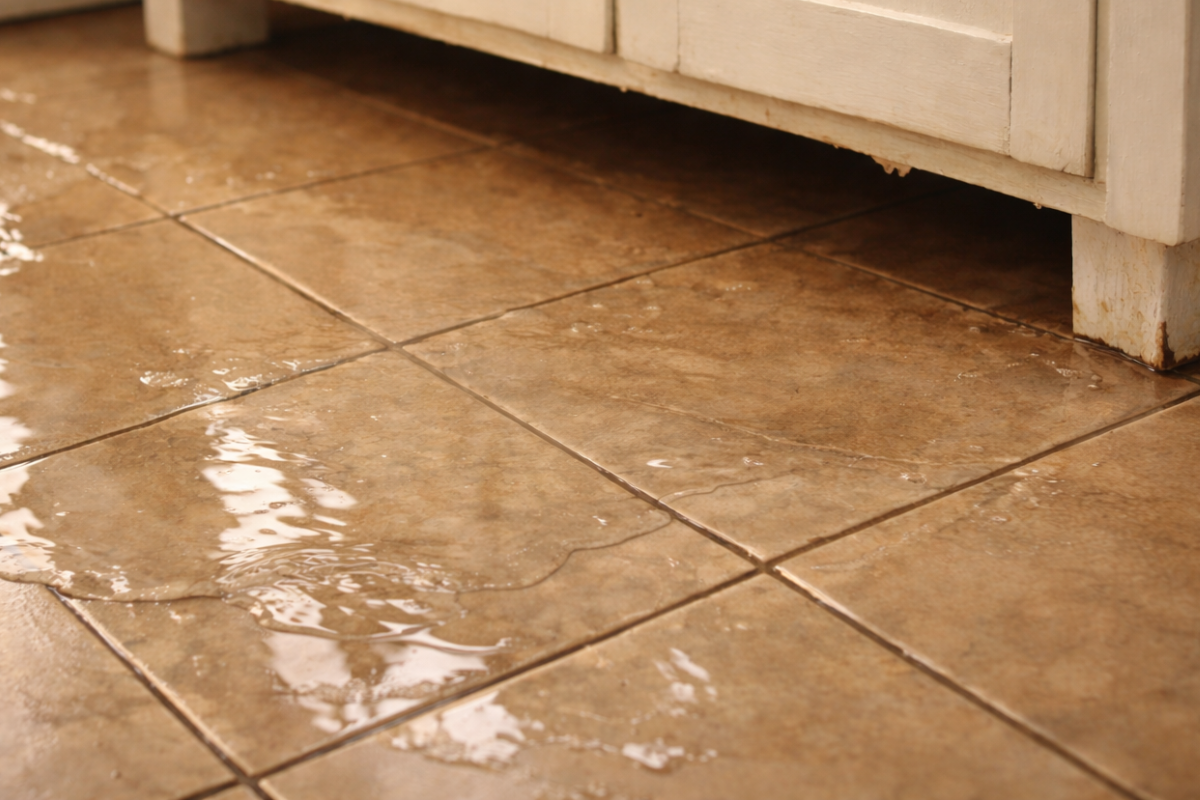
Here’s a fun fact that’s not actually fun at all: Standard homeowners policies in Texas typically DON’T cover water backup from sewers or drains. And they definitely don’t cover flood damage, that requires a completely separate flood policy.
Why does this matter? Because water damage claims are incredibly common and incredibly expensive. When heavy rain overwhelms the sewer system and it backs up into your home, you could be looking at tens of thousands in damage. Without the right coverage, you’re paying for all of it out of pocket.
Texas flash floods are no joke either. Even if you’re not in a designated flood zone, you could still be at risk. Just check out what happened in Houston, Dallas, or Austin during recent severe weather events. Water doesn’t care if you’re in a “low-risk” flood zone.
What to check:
· Do you have water backup/sump pump coverage? (It’s usually an add-on endorsement)
· Do you have flood insurance? (This is through the National Flood Insurance Program or a private carrier)
· If you’ve made foundation repairs or have known foundation issues, are those covered?
· Does your policy include coverage for exterior water damage, like from broken sprinkler lines?
Many of these coverages are optional add-ons that cost less than you’d think. Water backup coverage might run you $50-100 per year. Compare that to a $20,000 cleanup and repair bill!!
5. Scheduled Personal Property: Are Your Valuables Actually Covered?
Your homeowners policy includes personal property coverage, usually around 50-70% of your dwelling coverage. Seems like plenty, right? Well, there are limits: sometimes really low limits: on certain categories.
Most standard policies cap coverage for things like:
· Jewelry: Often limited to $1,000-$2,500 total
· Firearms: Maybe $2,000-$2,500
· Art and collectibles: Varies, but often inadequate
· Musical instruments: Limited coverage
· Electronics: May have special limits
So if you’ve got an engagement ring worth $8,000, a coin collection you’ve been building for years, or your grandmother’s vintage jewelry, standard coverage probably won’t cut it.
The good news? You can schedule high-value items individually on your policy for really reasonable rates. This gives you broader coverage (including mysterious disappearance in many cases) and higher limits.
What to check:
· Read the “Special Limits of Liability” section in your policy
· Make a list of your most valuable possessions
· Get recent appraisals for jewelry, art, and collectibles
· Ask your agent about scheduling high-value items
One more thing: If you’ve made any major purchases or additions to your home: like a new deck, finished garage, or home office setup: you need to update your policy. Your dwelling coverage should reflect your home’s current replacement cost, not what it was worth when you bought the place five years ago.
Don't Just Check It: Fix It!!
Here’s the thing about insurance: It only works if you have the right coverage in place BEFORE something happens. We see homeowners all the time who thought they were covered, only to discover crucial gaps when they need their policy most. And that’s a terrible feeling.
The good news? Most of these coverage issues are easy to fix. Some add-ons cost less than your monthly streaming subscriptions. And even when you need to increase coverage significantly, it’s usually way more affordable than you’d think.
Here's what to do next:
Pull out your current policy and actually read through it. We know, we know: it’s not exactly riveting. But pay special attention to the coverages we mentioned above.
Make a list of questions. Don’t understand something? Write it down. See a gap? Note it.
And then give us a call at Cavnar Insurance Agency. We’ll sit down with you, review your current coverage, and help you figure out exactly what you need: nothing more, nothing less. No pressure, no sales pitch, just straight talk about protecting your home and everything in it.
Because at the end of the day, your home is probably your biggest investment. Making sure it’s properly protected? That’s just smart homeownership. Ready to review your coverage? Reach out to us at Cavnar Insurance Agency and let’s make sure you’ve got the protection you actually need. We’re here to help Texas homeowners get it right!!