


Climate Risk vs Your Insurance Costs: Which Areas Will Pay More in 2025?
Well, we’re already deep into 2025, and if you’ve been wondering why your insurance renewal notice made you do a double-take, you’re definitely not alone! Climate risk has officially become the biggest driver of insurance costs across the country, and some areas are getting hit way harder than others.
Here’s the deal: home insurance premiums jumped 9.3% in just the first half of 2025, bringing the average new policy to $1,966. But here’s what’s really wild, since 2022, premiums for new policies have skyrocketed 45% while actual coverage has barely grown 12%. Yikes!!
The reality? Your zip code matters more than ever when it comes to what you’ll pay for insurance. Let’s dive into which areas are seeing the biggest sticker shock and why.
The Climate Risk Hot Zones (Spoiler Alert: It’s Expensive!)
If you live in Florida or Louisiana, you probably already know you’re paying through the nose for insurance. These states have become the poster children for climate-related insurance costs, and 2025 hasn’t been kind to homeowners there.
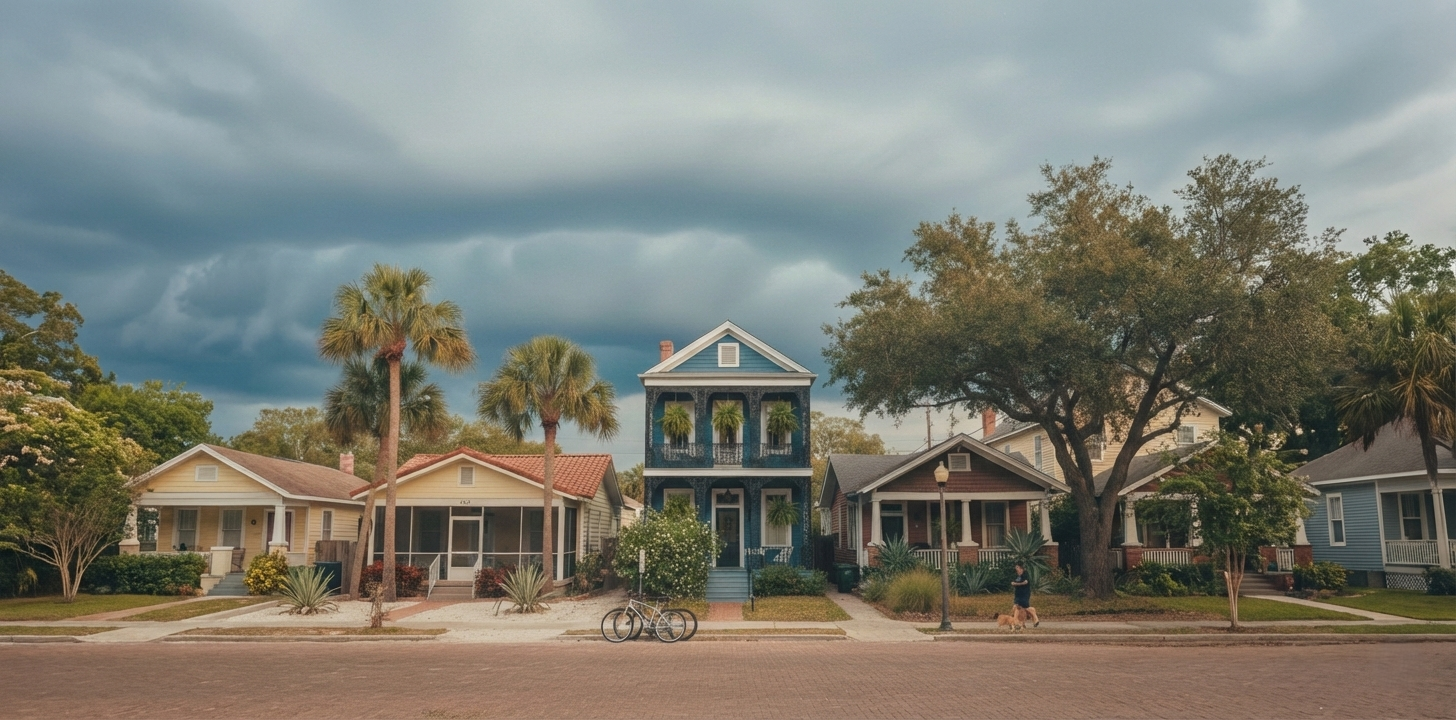
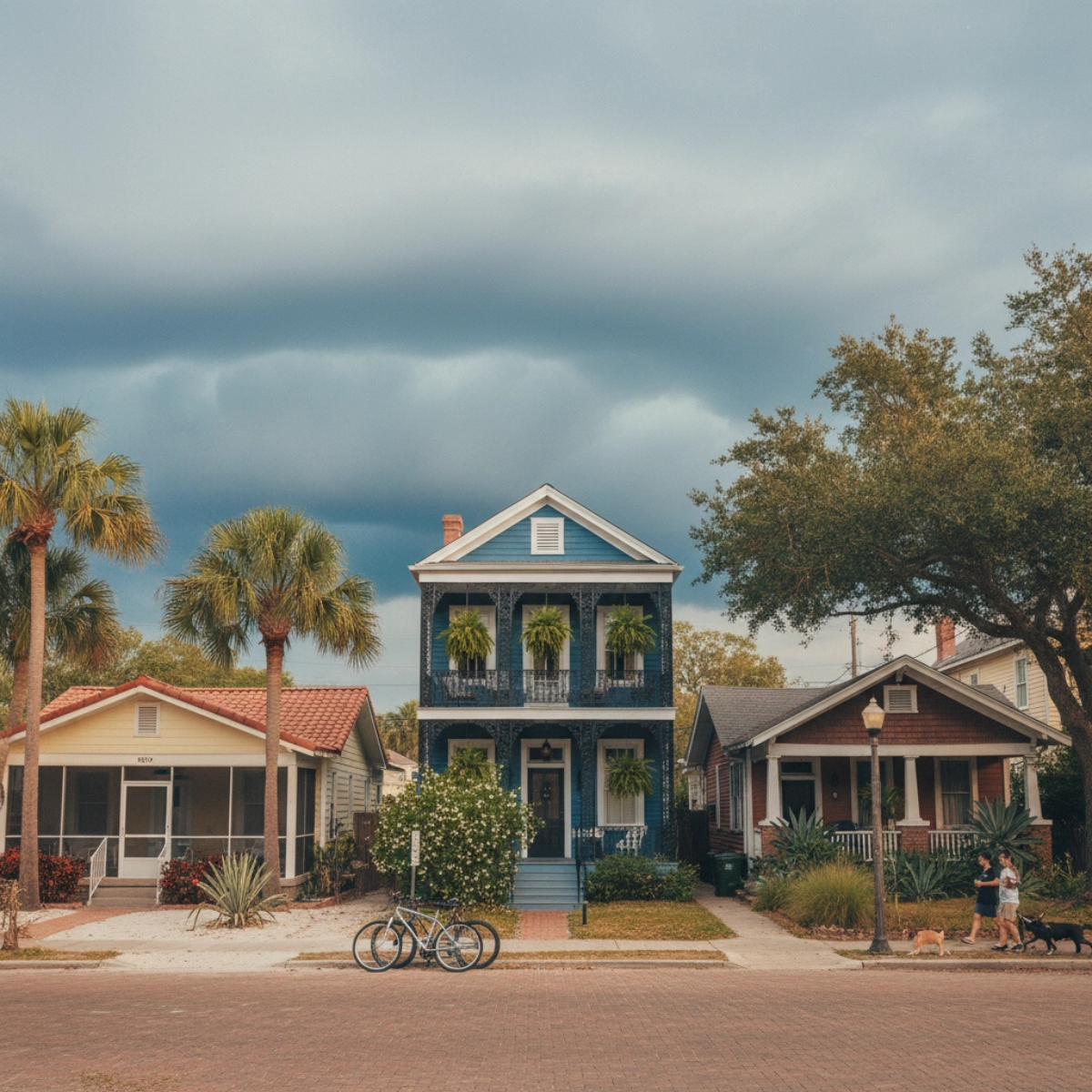
Florida is leading the charge in eye-watering premiums. Take Miami-Fort Lauderdale-West Palm Beach, for example. Homeowners there are looking at an average annual premium of $22,718 on a median home value of $614,000. That’s a whopping 3.7% of their home’s value going to insurance alone! To put that in perspective, if you had a $200,000 home elsewhere, you’d be paying over $7,000 just for insurance.
Louisiana isn’t far behind. New Orleans homeowners are shelling out around $8,328 annually for their insurance, that’s 3.6% of their home’s market value. Compare that to San Jose, California, where homeowners pay $3,712 for insurance on homes worth nearly eight times as much. The math just doesn’t add up unless you factor in climate risk!
Cape Coral, Florida rounds out the top three worst spots, with homeowners paying 2.2% of their home’s value for insurance coverage. Ouch!!
Why These Areas Are Getting Hammered
The short answer? Mother Nature has been really, really expensive lately.
Insured losses from natural disasters have gone absolutely bonkers, we’re talking $100 billion in just the first half of 2025, which is 40% higher than the same period in 2024. To give you some perspective, back in 2000, the entire year’s worth of insured losses was only $4.6 billion. We’re now hitting that in a matter of weeks during busy storm seasons!
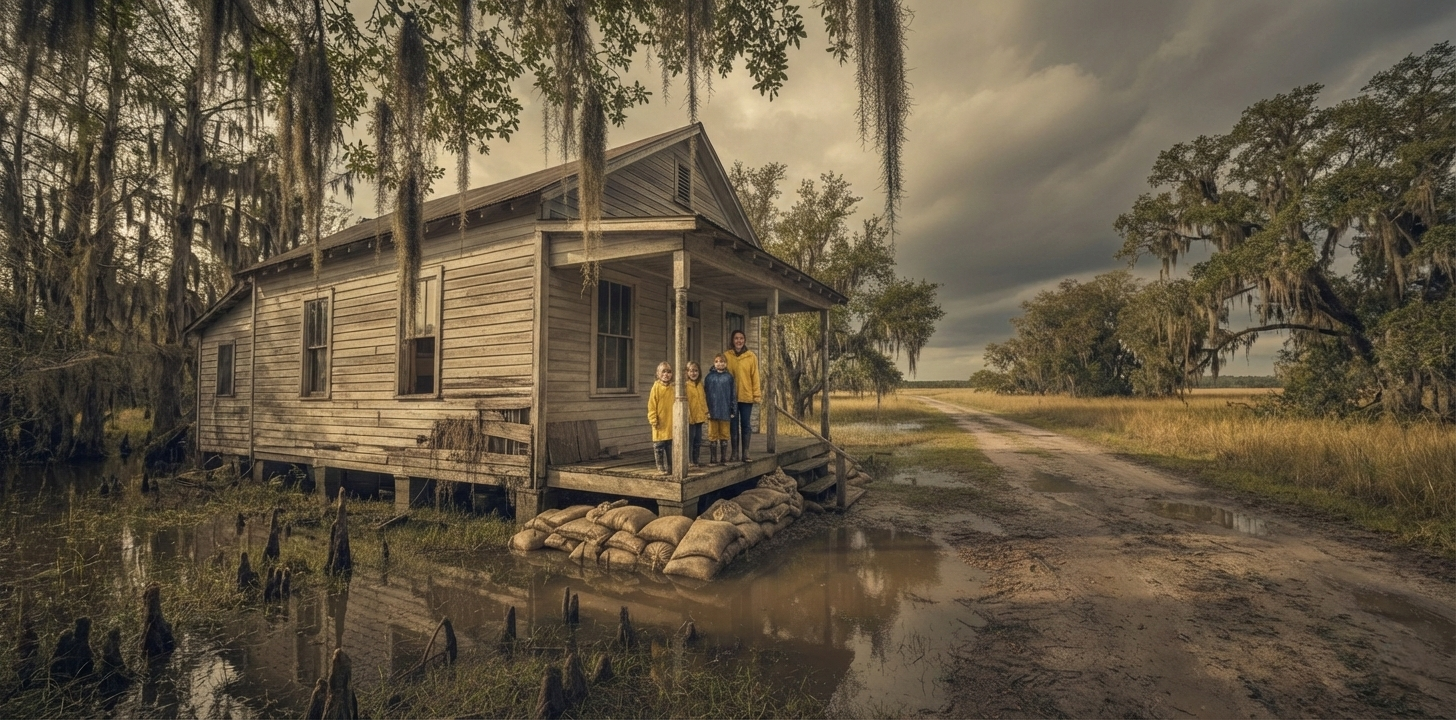

Here’s where it gets really interesting (and by interesting, we mean costly): in the highest climate-risk ZIP codes, insurance claims are averaging $24,000 compared to $19,000 in low-risk areas. That might not sound like a huge difference, but when you multiply that across thousands of claims, insurance companies are looking at some serious red ink.
And what do insurance companies do when they’re losing money? They either raise rates or stop writing policies altogether. In the highest-risk areas, non-renewal rates are running about 80% higher than in low-risk zones. Translation: if you live in a high-risk area, there’s a much better chance your insurance company will just say “thanks, but no thanks” when your policy comes up for renewal.
It’s Not Just About Location Anymore
While geography is huge, insurance companies are getting creative (and expensive) in other ways too. Deductibles jumped nearly 25% year-over-year, and many policies now have separate percentage-based deductibles specifically for wind and hail damage. So not only are you paying more upfront, but you’re also on the hook for more money when something actually happens!
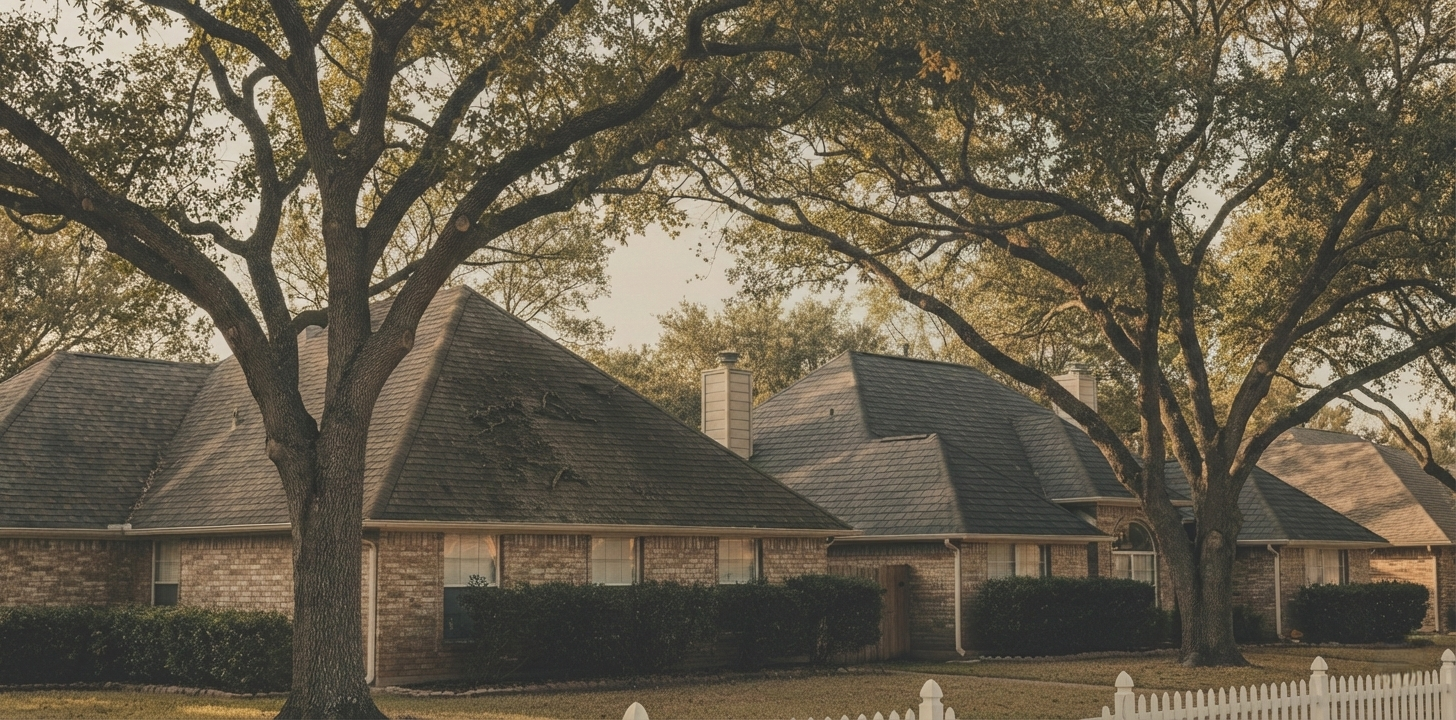
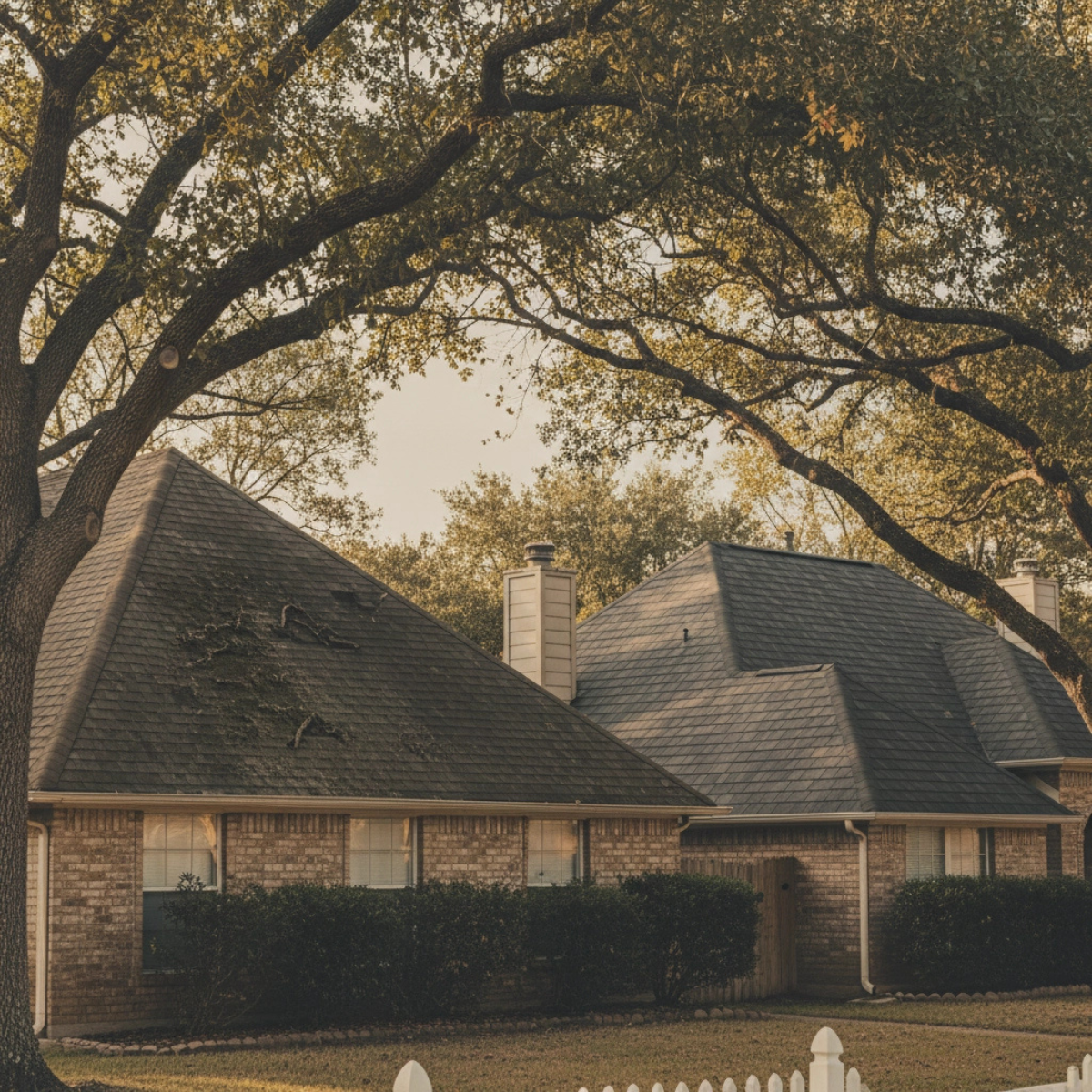
Your roof age is suddenly a big deal. The premium difference between homes with newer roofs and older ones has tripled since 2022. If your roof is getting up there in years, you might be looking at significantly higher premiums, or worse, difficulty finding coverage at all.
California homeowners got a taste of this reality after the devastating 2025 Los Angeles wildfires. State Farm got permission to raise rates by 17% following those fires, and that’s just the beginning. When major insurers start pulling out of entire counties (as we’ve seen in California and Florida), the remaining companies can pretty much charge whatever they want.
What This Means for Your Wallet in 2025
If you’re fortunate enough to live outside the major climate risk zones, you’re still seeing rate increases, but they’re more in line with general inflation. Think annoying but manageable.
But if you’re in Miami, New Orleans, Cape Coral, or similar climate-vulnerable spots? Buckle up, because some homeowners have seen their premiums double or even triple over just the past few years. We’re talking about insurance costs that rival mortgage payments in some cases!


Here’s a sobering stat: about two-thirds of U.S. homes are now underinsured against climate risks. That doesn’t necessarily mean people are choosing to be underinsured, many simply can’t afford adequate protection anymore.
The Silver Lining (Yes, There Is One!)
Look, we know this all sounds pretty doom and gloom, but there are still ways to manage your insurance costs, even in high-risk areas:
Shop around religiously. Different insurance companies assess risk differently, and you might find significant savings by switching carriers. At Cavnar Insurance Agency, we work with multiple carriers specifically because we know how much prices can vary.
Invest in mitigation. Things like storm shutters, newer roofing materials, and proper drainage can actually lower your premiums in many cases. Yes, there’s upfront cost, but the long-term savings can be substantial.
Consider your deductible carefully. While higher deductibles mean lower premiums, make sure you can actually afford the deductible if you need to file a claim.
Bundle smartly. Combining home and auto insurance can still yield significant discounts, even in high-risk areas.
The Bottom Line
Climate risk has fundamentally changed the insurance game, and 2025 has made that crystal clear. If you’re in a high-risk area, insurance costs are likely to remain a significant budget item for the foreseeable future. The key is staying informed, shopping regularly, and working with an agent who understands the changing landscape.
At Cavnar Insurance Agency, we’ve been helping clients navigate these challenging waters by finding the best coverage at the most competitive rates available. Because while we can’t control the weather, we can definitely help you prepare for it financially!
Remember, the insurance market is constantly evolving, especially as climate patterns continue to shift. What matters most is making sure you have adequate protection for your biggest investment: your home( without breaking the bank in the process.)